

 Oct 13, 2025
 6 min read
The Gods of Greek Mythology: Powers, Stories, and Legacy
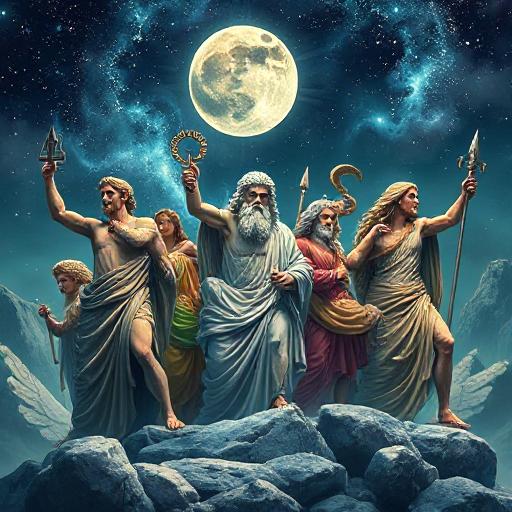
Greek mythology is a vast and fascinating collection of stories that explain the origins of the world, the power of nature, and the human condition. At the heart of these tales stand the Greek gods—immortal beings with extraordinary powers, emotions, and personalities. They ruled from Mount Olympus, guiding the fate of mortals and shaping the world as we know it.
Below is an overview of the most significant gods and goddesses, their powers, and the essence of their mythical existence.
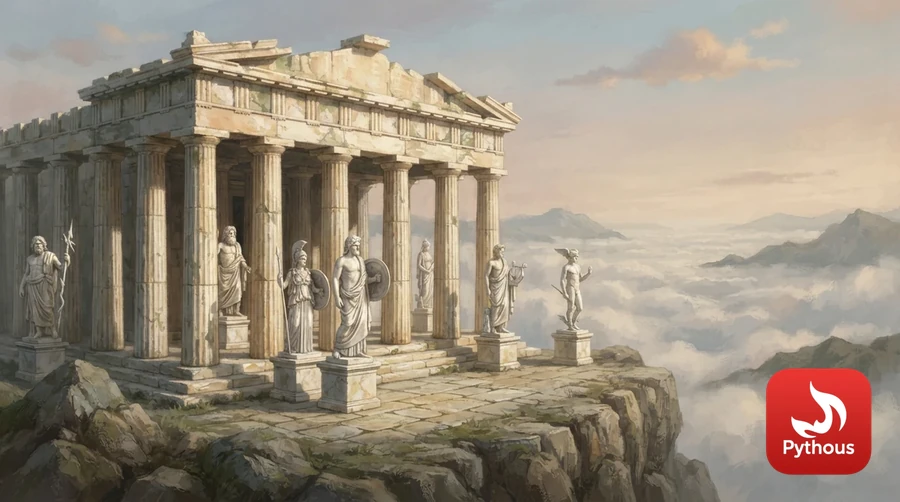
Illustration: the Olympian gods, as imagined in marble.
⚡ Zeus — King of the Gods
Domain: Sky, Thunder, Law, and Order
Symbol: Thunderbolt, Eagle, Oak Tree
Power: Zeus commanded the skies and controlled thunder and lightning. His will was the law of gods and men.
Story Summary: The youngest child of the Titan Cronus, Zeus overthrew his father and freed his siblings from Cronus’ stomach. As the ruler of Mount Olympus, he maintained balance among gods and mortals. Though wise, Zeus was also known for his many affairs with mortal women, fathering heroes like Hercules and Perseus. His reign symbolizes authority, justice, and power tempered with mercy.
🌊 Poseidon — God of the Sea
Domain: Oceans, Earthquakes, Horses
Symbol: Trident
Power: Poseidon controlled all waters of the world. His trident could stir storms or calm the waves.
Story Summary: A brother of Zeus, Poseidon drew the sea as his domain after the Titans’ defeat. His moods shaped the ocean—calm when pleased, raging when angered. Sailors prayed to him for safety. He created horses and had many children, including the Cyclops and the sea god Triton. Poseidon’s power reflects both creation and destruction, mirroring the unpredictable nature of the sea.
🔥 Hades — God of the Underworld
Domain: Death, Wealth, the Underworld
Symbol: Helm of Darkness, Cypress, Cerberus
Power: Hades ruled the realm of the dead and possessed the power of invisibility. He controlled the riches hidden beneath the earth.
Story Summary: Hades rarely left his dark kingdom. Though feared, he was not evil; his duty was to maintain balance between life and death. His most famous myth is his marriage to Persephone, whom he took to the Underworld—creating the cycle of seasons. Hades represents inevitability, the unseen, and the natural order of mortality.
🔥 Hestia — Goddess of the Hearth and Home
Domain: Family, Home, Fireplace
Symbol: Flame, Hearth
Power: Hestia’s sacred fire never went out. She maintained peace among the gods and symbolized harmony in every household.
Story Summary: The eldest Olympian sister, Hestia chose to remain a virgin goddess, tending the sacred flame of Olympus. Every home in Greece had a hearth dedicated to her, as she represented stability and family unity. Her calm, nurturing spirit made her one of the most beloved deities.
🌾 Demeter — Goddess of Harvest and Fertility
Domain: Agriculture, Grain, Seasons
Symbol: Wheat, Torch
Power: Demeter controlled the fertility of the earth and the growth of crops.
Story Summary: Demeter’s story is one of deep maternal love. When her daughter Persephone was taken by Hades, Demeter’s grief caused the earth to wither, creating winter. When Persephone returned, spring blossomed. This myth explains the seasonal cycle and reflects the bond between life, death, and rebirth.
⚔️ Ares — God of War
Domain: War, Violence, Courage
Symbol: Spear, Helmet, Boar
Power: Ares personified the brutal and chaotic side of war. His presence could stir armies into rage.
Story Summary: The son of Zeus and Hera, Ares was often despised by both gods and mortals for his bloodlust. Yet he was also courageous and represented the raw spirit of battle. His affair with Aphrodite, the goddess of love, symbolizes the connection between passion and conflict.
🛡️ Athena — Goddess of Wisdom and Strategy
Domain: Wisdom, Justice, Warfare (Strategic)
Symbol: Owl, Olive Tree, Shield
Power: Athena was the goddess of intellect, courage, and disciplined warfare. She granted wisdom and guided heroes.
Story Summary: Born fully grown from Zeus’s head, Athena was his favorite child. She helped heroes like Odysseus and Perseus. Athens, the city of philosophy and art, was named in her honor. Unlike Ares, Athena represented the intelligence and fairness of war, not its chaos.
🌞 Apollo — God of Light, Music, and Prophecy
Domain: Sun, Music, Healing, Poetry, Prophecy
Symbol: Lyre, Laurel Wreath, Sun
Power: Apollo could bring light and truth. His oracles revealed divine knowledge, and his music brought harmony.
Story Summary: Son of Zeus and Leto, twin of Artemis, Apollo embodied both art and intellect. He punished arrogance and rewarded devotion. His oracle at Delphi was the most famous in Greece. Apollo symbolized balance—between reason and emotion, art and science.
🌙 Artemis — Goddess of the Moon and the Hunt
Domain: Moon, Wilderness, Animals, Chastity
Symbol: Bow and Arrow, Moon, Deer
Power: Artemis commanded wild creatures and could bring disease or healing. She guarded young women and travelers.
Story Summary: Twin sister of Apollo, Artemis was an independent and fierce goddess. She chose eternal virginity and punished those who disrespected nature or her privacy. Hunters and women prayed to her for protection. Her stories teach respect for nature and purity.
💕 Aphrodite — Goddess of Love and Beauty
Domain: Love, Beauty, Desire
Symbol: Dove, Rose, Shell
Power: Aphrodite could stir love, desire, and passion in both gods and mortals.
Story Summary: Born from sea foam, Aphrodite’s beauty was irresistible. Though married to Hephaestus, she loved Ares and many mortals. She could bring joy or heartbreak—her powers symbolized the irresistible yet dangerous force of love itself.
🔨 Hephaestus — God of Fire and Craftsmanship
Domain: Fire, Metalwork, Technology
Symbol: Hammer, Anvil
Power: Hephaestus forged divine weapons, including Zeus’s thunderbolts and Achilles’s armor.
Story Summary: Cast from Olympus for his deformity, Hephaestus found strength in creation. Despite his physical imperfections, his craftsmanship was unmatched. His story teaches that true power lies in skill, patience, and creativity.
🕊️ Hermes — God of Travel and Communication
Domain: Messenger of the Gods, Commerce, Thieves, Travel
Symbol: Winged Sandals, Caduceus
Power: Hermes could move freely between the mortal world and the Underworld. He guided souls and carried divine messages.
Story Summary: Clever and mischievous, Hermes was the trickster of Olympus but also a protector of travelers. He invented language and writing. Known for his wit and diplomacy, Hermes bridged the gap between gods and humans—symbolizing freedom and intelligence.
👑 Dionysus — God of Wine and Ecstasy
Domain: Wine, Theater, Celebration, Madness
Symbol: Grapevine, Cup, Ivy
Power: Dionysus could inspire joy and divine madness. His followers experienced ecstatic visions through music and dance.
Story Summary: The son of Zeus and the mortal Semele, Dionysus was both divine and human. He spread the art of winemaking and liberated people through emotion and creativity. His dual nature—joy and chaos—reflects the balance between order and freedom.
🌌 The Legacy of the Greek Gods
Though immortal, the gods of Olympus reflected every aspect of human nature—love and jealousy, wisdom and folly, justice and wrath. Their stories continue to live in art, literature, and philosophy, reminding us that even divine beings are bound by passion and consequence.
Each god, in their eternal life, represents a piece of the human experience:
- Zeus — Power and justice
- Poseidon — Emotion and unpredictability
- Hades — Acceptance of fate
- Athena — Wisdom and reason
- Aphrodite — Love and desire
- Apollo — Light and knowledge
- Artemis — Independence and nature
- Hermes — Communication and change
- Dionysus — Creativity and ecstasy
The Greeks created these gods not to fear them, but to understand themselves through them.



Comments (0)
Leave a Reply
Log in to post a comment.